In this article
Key takeaways
- On 30 May 2026, TARC said it expects about ₹10,000 crore of cash flows over five years and guided FY27 revenue of ₹1,600–1,800 crore.
- The plan follows a return to profit in FY26: consolidated net profit of ₹19.03 crore, against a ₹231.29 crore loss in FY25.
- Cash flow, revenue and pre-sales measure different things and should not be compared directly.
- Guidance is a forecast. It depends on approvals, construction progress and sales.
On 30 May 2026, TARC Limited set out a medium-term financial roadmap alongside its FY26 results. The Delhi-based luxury developer said it expects total cash flows of about ₹10,000 crore over the next five years, and guided for FY27 revenue in the range of ₹1,600 crore to ₹1,800 crore.
For anyone following luxury housing in Delhi NCR, those numbers raise practical questions. What exactly do they measure, where is the money expected to come from, and what do they say about a developer's ability to build and deliver homes? This article takes each in turn.
The announcement at a glance
As disclosed by TARC on 30 May 2026 and in the FY26 update of 15 April 2026.
The roadmap came with a return to profit. TARC reported a consolidated net profit of ₹19.03 crore for FY26, against a net loss of ₹231.29 crore in FY25. Revenue from operations for the year was ₹329.84 crore.
Business coverage of the announcement describes it as a shift from holding land to actively building and delivering projects, which turns land parcels into cash. That is the logic behind a plan built on cash flow rather than on a single year's profit.
Cash flow, revenue and pre-sales: what is the difference?
Real estate results use three terms that sound alike but describe different things. Mixing them up is the most common way to misread a developer's numbers.
| Term | What it measures | When it shows up |
|---|---|---|
| Pre-sales | The value of homes buyers have booked | When a buyer commits to a home |
| Cash flow (collections) | Money actually received from buyers and other sources | As buyers pay instalments under their payment plans |
| Revenue | Income recognised in the company's accounts | As per accounting rules, often linked to construction progress or handover |
A simplified explanation. Accounting treatment can vary by project.
This is why a developer can report large pre-sales in a quarter but modest reported revenue. A five-year figure such as ₹10,000 crore refers to money collected over time. It is not profit.
Where the cash is expected to come from
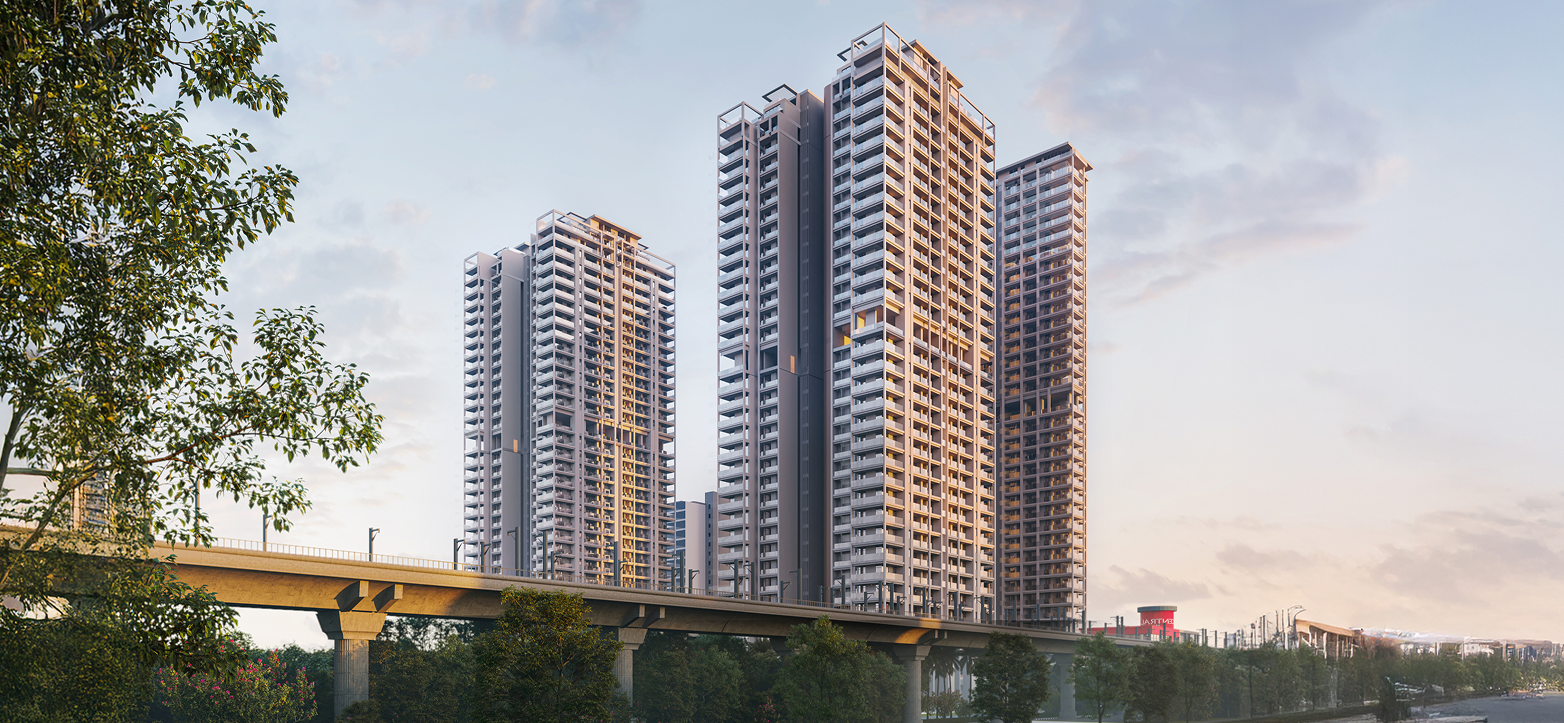
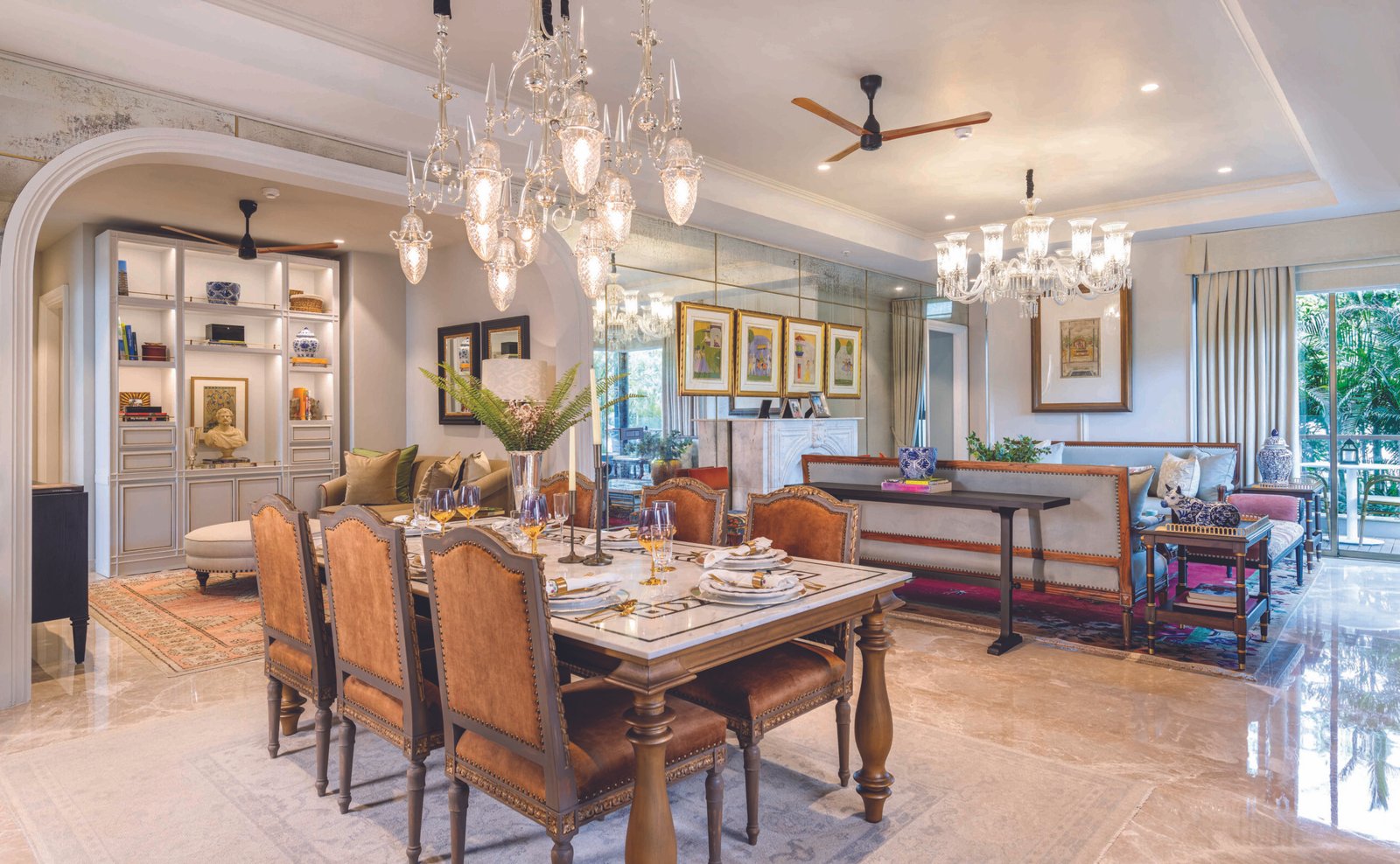
TARC builds luxury and ultra-luxury homes in New Delhi and Gurugram, mostly on land it already owns. Company disclosures point to three projects as the drivers of the plan, with a staged pattern: Tripundra contributes first, and Kailasa and Ishva add more in later years.
| Project | Location | Role in the plan |
|---|---|---|
| TARC Tripundra | Bijwasan, South Delhi | Near-term revenue; its recognition has driven recent quarterly results |
| TARC Kailasa | Kirti Nagar, West Delhi | Larger contribution expected as construction progresses |
| TARC Ishva | Sector 63A, Gurugram | Larger contribution expected as construction progresses |
Kailasa is planned as five towers with 417 residences on about 6.2 acres in Kirti Nagar. Ishva is a six-tower development on about 9 acres in Sector 63A, with four-side-open homes. Both are large-format, low-density projects, which is why each is expected to matter as it moves through construction.
Progress since the announcement
The first quarter of FY27 gave an early read. TARC reported pre-sales of ₹602 crore, nearly three times the figure for the same quarter last year, and collections of ₹305 crore, up 80%. Revenue from operations was reported at ₹217.13 crore, with a consolidated net profit of ₹22.65 crore, driven mainly by revenue recognised from Tripundra.
| Q1 FY27 (quarter ended 30 June 2026) | Reported |
|---|---|
| Pre-sales | ₹602 crore (nearly 3x year-on-year) |
| Collections | ₹305 crore (up 80% year-on-year) |
| Revenue from operations | ₹217.13 crore |
| Consolidated net profit | ₹22.65 crore |
Source: Business Standard, 7 July 2026; ScanX summary of TARC's Q1 FY27 results.
How to read the guidance
Guidance is management's forecast, not a result. Two points help put it in perspective.
- Timing matters. Reaching ₹1,600–1,800 crore for FY27 after ₹217.13 crore in the first quarter would mean averaging roughly ₹460 to ₹530 crore a quarter over the remaining three. This is our own arithmetic, and it assumes the guidance refers to revenue from operations. It is a steep step up, which is why quarterly updates are the main thing to watch.
- Several things must go right. Analysts covering the announcement point to execution delays, prolonged high interest rates that could soften luxury demand, and changes in regulation as the main risks to the timeline.
The ₹10,000 crore figure describes cash collected over five years. It is a target, and how much of it is achieved depends on delivery and sales.
A plain-language reading of the company's roadmapNone of this is a judgement on the company. It is a reminder that a long-range target and a quarterly result answer different questions.
What it means for homebuyers
If you are considering a home from any developer, a financial roadmap is background reading. What matters more is what happens on the project you are looking at. A few practical points:
- Healthy collections help construction. Steady cash inflow gives a developer the means to keep building, but the real test is progress on site.
- Track construction and RERA timelines. The declared possession date and stage-wise updates on the RERA portal are more relevant to you than a company-wide target.
- Understand your payment plan. Most large projects use construction-linked plans, where instalments follow construction milestones.
- Rely on your agreement. Your rights are set out in the Agreement for Sale and the project's RERA registration, not in company guidance.
- Compare projects on their own details. Layout, density, location and amenities differ across Tripundra, Kailasa and Ishva, so read each project's page before deciding.
Sources: Sahi, "TARC Targets ₹10,000 Crore Cash Flow in 5 Years and ₹1,800 Crore FY27 Revenue", 30 May 2026; ScanX summaries of TARC's stock-exchange disclosures (30 May 2026 and Q1 FY27 results); Business Standard, "TARC rallies after Q1 pre-sales surged to Rs 602 cr", 7 July 2026. Figures are summarised and were cross-checked across these reports. Refer to TARC's filings for exact numbers. This article does not cover or recommend TARC shares.
Frequently asked questions
What did TARC announce on 30 May 2026?
TARC said it expects total cash flows of about ₹10,000 crore over the next five years and guided for FY27 revenue of ₹1,600 crore to ₹1,800 crore. It shared the roadmap alongside its FY26 results.
What does ₹10,000 crore of cash flow mean?
It refers to money the company expects to receive over five years, mainly from buyers' instalments on its projects. It is different from profit and from reported revenue.
How did TARC perform in FY26?
TARC reported a consolidated net profit of ₹19.03 crore against a net loss of ₹231.29 crore in FY25. Revenue from operations was ₹329.84 crore, and sales for the year were ₹1,373 crore.
Which projects are central to the plan?
TARC Tripundra in Bijwasan contributes first. TARC Kailasa in Kirti Nagar and TARC Ishva in Sector 63A, Gurugram are expected to add more as construction progresses.
How did the first quarter of FY27 look?
TARC reported pre-sales of ₹602 crore, collections of ₹305 crore, revenue from operations of ₹217.13 crore and a consolidated net profit of ₹22.65 crore.
Is the guidance guaranteed?
No. Guidance is a forecast. It depends on approvals, construction progress, sales and market conditions, and actual results may differ.