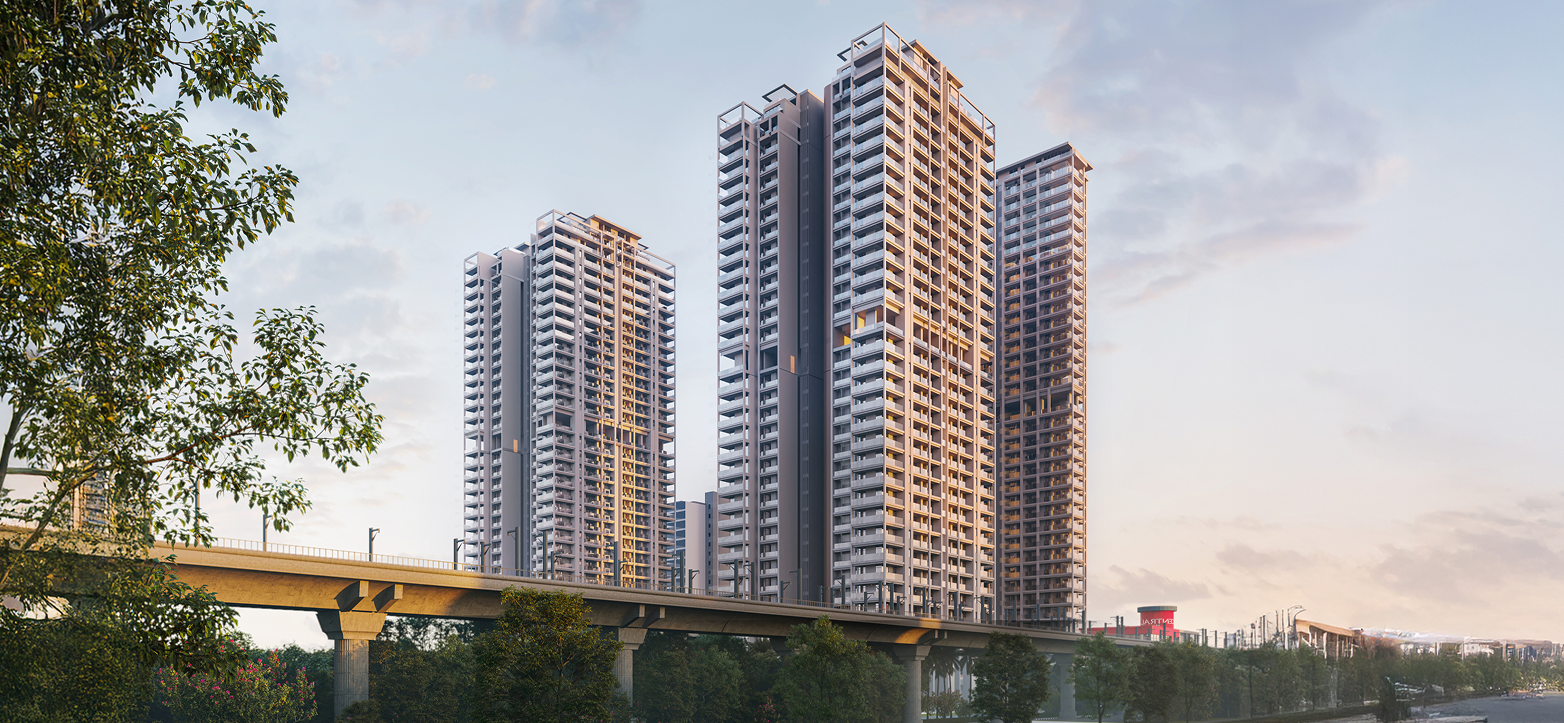
In this article
Key takeaways
- TARC Limited was incorporated in 2016 as Anant Raj Global Limited and took its current name on 19 April 2021.
- The business grew out of a construction and contracting firm with a history of more than five decades.
- Its projects in New Delhi and Gurugram draw on Indian cultural themes, from "handcrafted living" to the four cardinal directions.
- Its sustainability approach covers solar power, eco-friendly materials, water conservation, recycling and native landscaping.
Most homebuyers get to know a developer through its projects. Fewer look at the company behind them: where it came from, who runs it, and what that says about how it builds. TARC Limited is a useful case. It began decades ago as a construction and contracting business and today develops luxury residences in New Delhi and Gurugram.
A Forbes India profile published in October 2025 put the spotlight on the company's approach to what it describes as enriching, sustainable living spaces. This article draws on that profile and on public company information to explain the background, the design thinking and the sustainability measures, and to suggest what to look for when any developer talks about green living.
From Anant Raj Global to TARC
TARC Limited was incorporated in 2016 as Anant Raj Global Limited and adopted its present name with effect from 19 April 2021. The letters stand for The Anant Raj Corporation. The business itself is far older. According to Forbes India, the company's history spans more than five decades and began with a construction and contracting firm under founder Anil Sarin.
| Milestone | What happened |
|---|---|
| Over five decades ago | The business begins as a construction and contracting firm under Anil Sarin |
| 2016 | Anant Raj Global Limited is incorporated |
| 19 April 2021 | The company is renamed TARC Limited |
| Today | A focus on luxury residential projects in New Delhi and Gurugram |
Sources: Forbes India (23 October 2025) and public company profiles.
Anil Sarin serves as chairman and brings more than 50 years of experience. Amar Sarin is managing director and CEO, and Muskaan Sarin is a whole-time director. Together they lead a company that has moved from building for others to developing its own large-format residential projects.
A design philosophy rooted in India
Forbes India notes that TARC's projects often draw inspiration from India's cultural heritage. The company sums this up as "Inspired by India", and each project expresses it differently.
| Project | Location | The idea behind it |
|---|---|---|
| TARC Tripundra | Bijwasan, South Delhi | Large, fully fitted homes with premium interiors, planned around a complete living experience |
| TARC Kailasa | Kirti Nagar, West Delhi | Built around the idea of handcrafted living |
| TARC Ishva | Sector 63A, Gurugram | A layout inspired by the four cardinal directions, with an emphasis on balance and harmony |
| TARC Maceo | Sector 91, New Gurugram | Secure, calm living with a broad range of amenities |
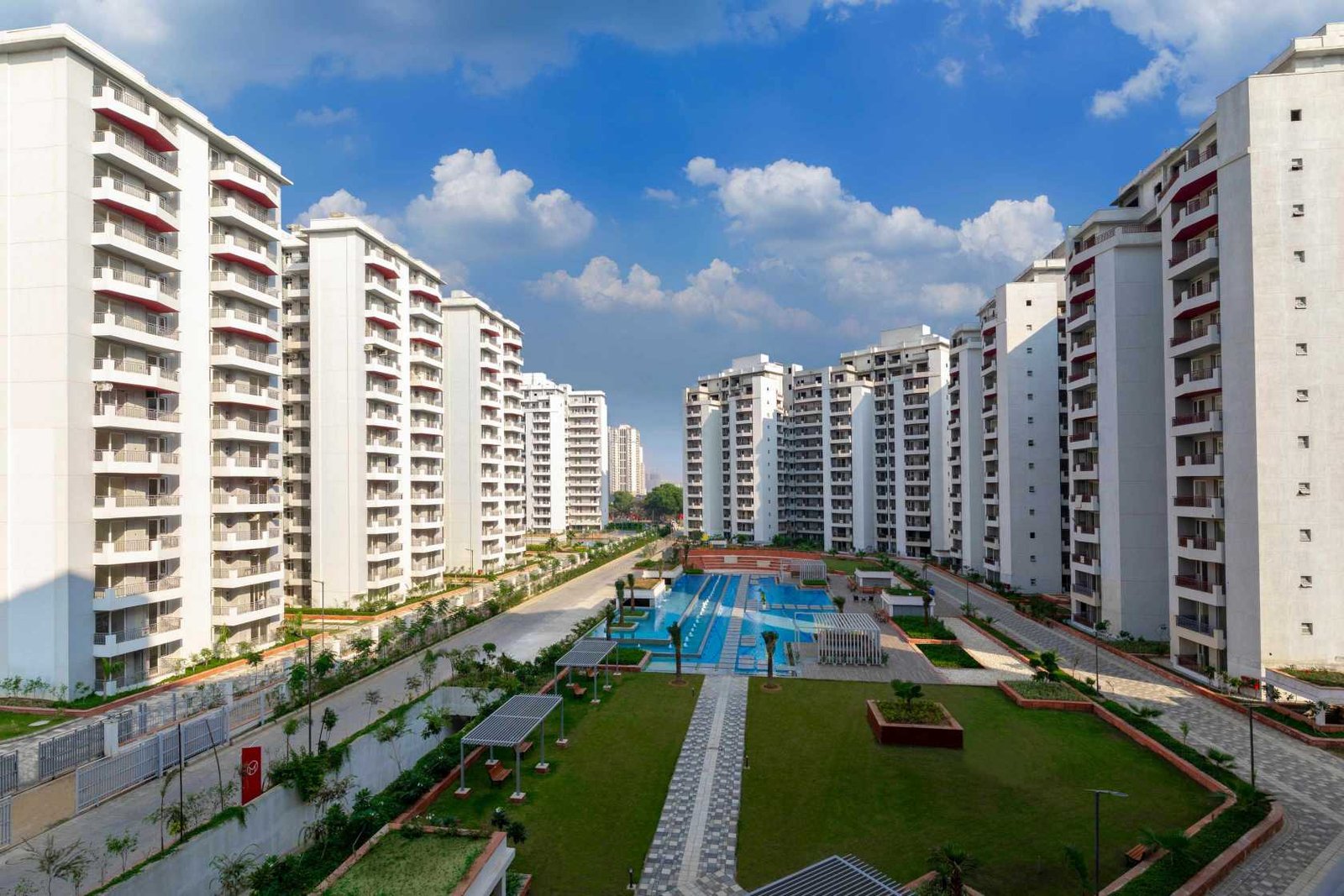
The ideas show up in the plans. TARC Ishva is designed with four-side-open homes across six towers on about 9 acres, so that every residence receives light and air from all directions. TARC Kailasa keeps about 60% of its roughly 6.2-acre site as open, landscaped space, with five towers and 417 residences. TARC Maceo is a larger campus of 16 towers on about 15.6 acres, according to public company profiles.
How TARC approaches sustainability
Forbes India reports that TARC's sustainability and CSR work is guided by a principle it calls Sraddha. The profile lists a set of practices that the company builds into its projects:
- Renewable energy, including solar power.
- Eco-friendly materials in construction.
- Water conservation across its developments.
- Recycling programmes and waste-to-energy strategies.
- Green spaces and planned gardens planted with native species.
Each of these is easier to judge once you know what it usually looks like on the ground.
| Practice | What it typically means on a residential campus |
|---|---|
| Solar and renewables | Panels that offset part of the power used in common areas such as lobbies, lighting and pumps |
| Eco-friendly materials | Materials with lower environmental impact, such as recycled or locally sourced content |
| Water conservation | Rainwater harvesting, water-efficient fittings and treated water reused for landscaping |
| Recycling and waste-to-energy | Waste sorted at source, organic waste composted or converted into energy |
| Native landscaping | Plants suited to the local climate, which generally need less water and upkeep |
A general explanation. Specifics vary by project.

Project pages give some concrete markers of this approach. They are summarised below, and worth checking against the latest project documents.
Living spaces as social contribution
Forbes India frames the company's sustainability and CSR approach in a broader way. Its view is that creating enriching, sustainable living spaces is a social contribution in itself, because better-planned homes, greener surroundings and thoughtful amenities improve everyday urban life for the people who live there.
Good housing is a form of public good: how a home is planned and where it sits shapes daily health, comfort and community.
A plain-language reading of the profile's argumentIt is a reasonable lens in a city like Delhi, where open space and clean air are scarce. Large campuses that keep a big share of land open and planted change what a neighbourhood offers, not only what a single home offers.
What to look for in sustainability claims
Many developers now talk about green living. A few simple checks help separate detail from slogans:
- Ask for named ratings and their stage. A design-stage pre-certification is not the same as a final certification granted after completion.
- Look for specifics. Which systems are installed, what they cover, and how they are maintained say more than a list of features.
- Separate common areas from your home. Solar or water systems often serve shared areas rather than individual apartments.
- Check running costs. Ask how maintenance of these systems is funded and managed after handover.
- Verify the basics. Confirm the RERA registration, approvals and declared possession date on the official portal.
Sources: Forbes India, "TARC Limited: Creating enriching, sustainable living spaces", 23 October 2025, summarised here. Company background, including the 2016 incorporation and the 19 April 2021 name change, is from public company profiles. Project details are from the TARC Ishva and TARC Kailasa pages. This article is informational and does not cover or recommend TARC shares.
Frequently asked questions
What does TARC stand for?
TARC stands for The Anant Raj Corporation. The company was incorporated in 2016 as Anant Raj Global Limited and was renamed TARC Limited with effect from 19 April 2021.
Who leads TARC Limited?
Anil Sarin is chairman, Amar Sarin is managing director and CEO, and Muskaan Sarin is a whole-time director, according to Forbes India.
Which projects does TARC have?
TARC's residential projects include Tripundra in Bijwasan, Kailasa in Kirti Nagar, Ishva in Sector 63A, Gurugram, and Maceo in Sector 91, New Gurugram.
What is Sraddha at TARC?
Forbes India reports that Sraddha is the principle guiding TARC's sustainability and CSR approach. The profile links it to solar power, eco-friendly materials, water conservation, recycling and native landscaping.
Is TARC Ishva green-rated?
TARC Ishva's project page states a GRIHA 5-Star Pre-Certification. Pre-certification is granted at the design stage, so check the project's latest documents for its current status.
How can I check what a developer says about sustainability?
Ask for named certifications and their stage, look for specific systems and how they are maintained, and confirm the project's RERA registration and approvals on the official portal.